
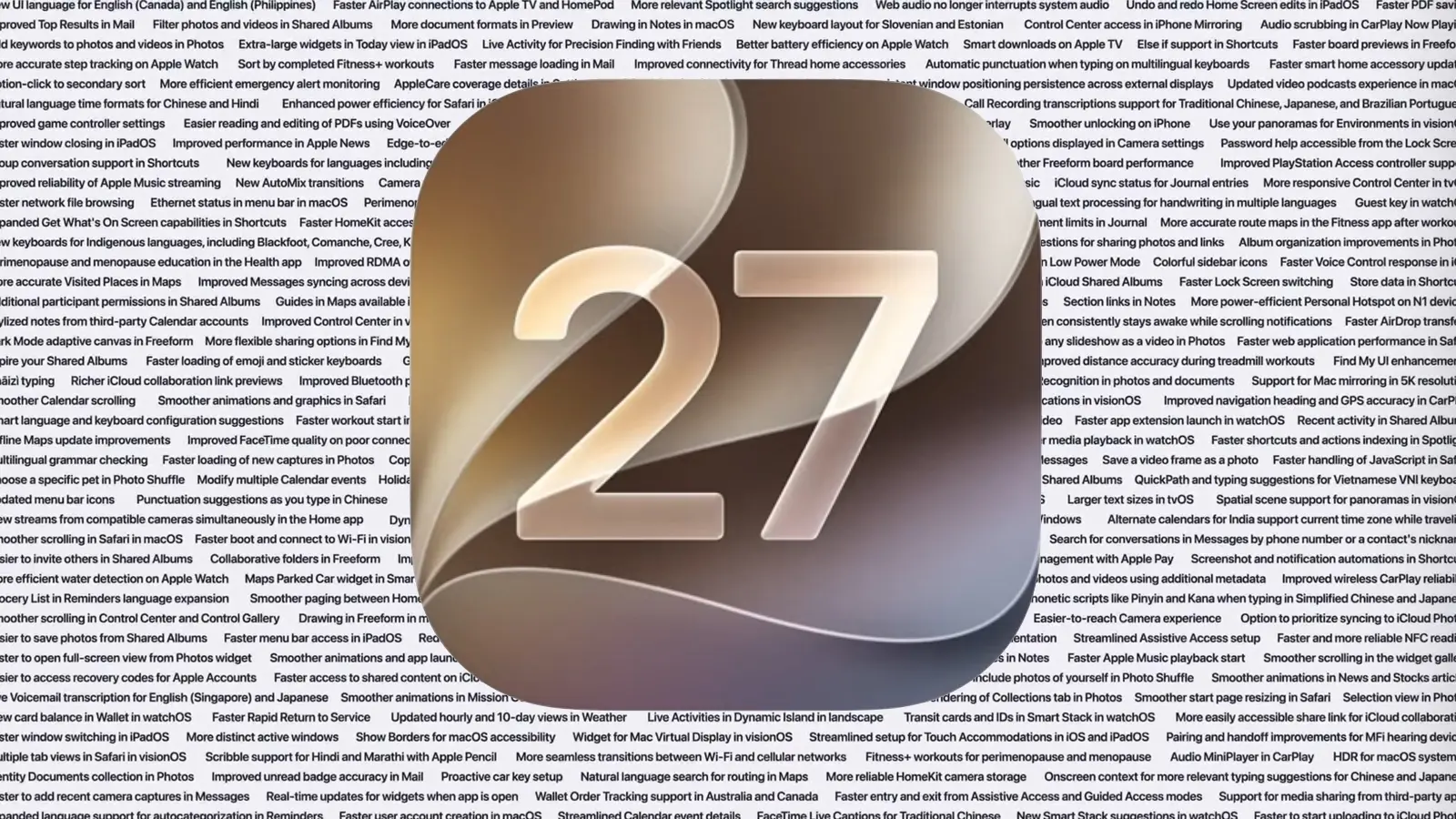
Apple Is Serious About Performance: What's Coming to iPhone, Mac, and iPad
Every year, Apple introduces a wave of new features at its annual developer conference, and headlines tend to focus on the flashiest additions — new AI capabilities, redesigned interfaces, or novel hardware integrations. But behind the curtain, some of the most meaningful changes Apple delivers are the ones you don't immediately see: performance improvements and stability enhancements that make your existing devices faster, smoother, and more reliable. This fall, Apple is doubling down on exactly that kind of foundational work across iPhone, Mac, and iPad.
Whether you're a power user pushing your Mac to its limits or someone who just wants their iPhone to stop stuttering during everyday tasks, the performance upgrades Apple has in store are worth paying close attention to. Here's a deep dive into what Apple is doing, why it matters, and what users can realistically expect when these updates roll out.
Why Performance Improvements Matter More Than Ever
It's easy to get caught up in feature checklists when a new operating system is announced. But for the vast majority of users, the quality of day-to-day interactions with their devices depends far more on how fast and reliable those devices feel than on any single new feature. A phone that launches apps instantly, a laptop that doesn't beachball during multitasking, and a tablet that renders content without jitter — these are the things that define the experience of using Apple products.
Apple has long marketed its hardware and software integration as a key advantage over the competition. The argument is that because Apple controls both the chip and the operating system, it can squeeze out optimizations that no one else can match. The performance work coming this fall is a direct expression of that philosophy, and it touches virtually every major Apple platform.
iPhone Performance Enhancements: Faster in the Ways That Count
On the iPhone side, Apple's improvements are focused on making the most common interactions feel snappier and more responsive. App launch times, which have been a perennial point of optimization for Apple, are getting another round of attention. The goal is to reduce the gap between tapping an app icon and having that app ready to use — a small improvement that adds up enormously over the course of a day.
Beyond raw app launch speed, Apple is working on smoother animations and more consistent frame rates throughout the system. Scroll performance in apps like Safari and Messages is being refined, and background processing — the invisible work your iPhone does to keep apps updated and notifications flowing — is being made more efficient to preserve battery life without sacrificing responsiveness.
Stability is the other major theme. Fewer crashes, better memory management, and more graceful handling of edge cases are all part of what Apple is targeting. For users who have experienced random reboots or unexpected app quits, these fixes are likely to make a noticeable difference.
Mac Improvements: Power and Stability for Professionals
Mac users, particularly those using the platform professionally, are set to benefit significantly from Apple's performance push this fall. macOS has been on an impressive trajectory since the transition to Apple Silicon, and the upcoming updates continue to build on that foundation.
Key areas of improvement include memory management for users who regularly run demanding workflows — think video editing, software development, or working with large datasets. Apple is targeting scenarios where macOS might previously have leaned too heavily on swap memory or throttled performance under sustained load, with the aim of keeping performance more consistent over longer work sessions.
Graphics performance is also getting attention, with improvements that benefit both creative professionals using apps like Final Cut Pro and everyday users who want smoother window animations and faster rendering in Safari. System-wide responsiveness — how quickly the Mac reacts to keyboard and trackpad input — is another focus, particularly for older Apple Silicon machines that may not have benefited as fully from previous optimizations.
iPad: Bridging the Gap Between Consumer and Professional Use
iPad occupies an interesting space in Apple's ecosystem. For some users, it's a casual content consumption device. For others — especially those using the iPad Pro with a keyboard and Apple Pencil — it's a primary work machine. Apple's performance improvements for iPadOS reflect this dual nature.
On the performance side, multitasking has been refined to make switching between apps and using Stage Manager feel more fluid. The Apple M-series chips powering the latest iPad Pro models are capable of incredible things, and iPadOS is catching up in terms of taking full advantage of that hardware. Users should notice faster app switching, more reliable Split View behavior, and improved performance when using external displays.
Stability improvements are equally important here. Crashes in productivity apps, issues with accessory connectivity, and inconsistent behavior when moving between different use modes are all areas Apple has reportedly targeted.
What This Means for Users Holding Older Devices
One of the most thoughtful aspects of Apple's approach this fall is the attention being paid to older hardware. Performance improvements aren't just about making the newest iPhone or Mac feel fast — they're also about making sure that devices a few years old continue to feel like worthwhile tools rather than liabilities. By improving efficiency at the software level, Apple can extend the useful life of devices that are technically capable but may have felt sluggish under previous software versions.
The Bottom Line
Apple's performance and stability improvements coming this fall represent some of the most user-focused work the company does — unglamorous, often invisible, but deeply impactful in the real world. Faster iPhones, more stable Macs, and more capable iPads all point to an Apple that understands the value of getting the fundamentals right. As the fall software updates roll out, users across all three platforms have good reason to look forward to a noticeably better experience.