
Apple TV Quietly Gets a Major Upgrade With tvOS 27 — But Not Every Box Makes the Cut
Apple has a long-standing tradition of rolling out significant software updates for its devices each fall, and the Apple TV is no exception. With tvOS 27 now on the horizon, Apple has once again drawn a clear line in the sand between supported and unsupported hardware. While the update promises a range of new features, performance improvements, and deeper integration with the broader Apple ecosystem, a number of older Apple TV models will be left behind permanently — unable to receive the update at all.
If you've had your Apple TV box tucked behind your television for several years and never thought much about software support, now is the time to pay attention. Here's everything you need to know about tvOS 27, what it brings to the table, and — critically — which Apple TV models are no longer invited to the party.
What Is tvOS 27 and Why Does It Matter?
tvOS is the dedicated operating system that powers Apple TV devices. It handles everything from the home screen interface and app management to streaming quality, gaming performance, and smart home controls through Apple's HomeKit and Home app ecosystem. Each annual update typically brings visual refinements, new features, enhanced security, and expanded compatibility with services like Apple Arcade, Apple TV+, and FaceTime on TV.
tvOS 27 represents a particularly significant leap forward. Apple has reportedly focused heavily on artificial intelligence integration, richer personalization, improved Siri performance on the big screen, and deeper cross-device continuity with iPhone and iPad. For households that rely on Apple TV as a central hub for entertainment and smart home control, this update is genuinely meaningful — not just cosmetic.
But all of that comes at a cost for users with aging hardware. As the software grows more sophisticated, older chipsets simply cannot support the computational demands these new features require.
Which Apple TV Models Will NOT Receive tvOS 27?
This is the headline many Apple TV owners will want to focus on. According to Apple's updated compatibility information, the following models will not receive tvOS 27:
- Apple TV HD (4th generation, 2015): Powered by the A8 chip, this model has been on borrowed time for several update cycles. tvOS 27 marks the end of the road for Apple TV HD users, meaning the device will no longer receive new features or, more importantly, security patches going forward.
- Apple TV 4K (1st generation, 2017): Despite being a 4K-capable device with the more capable A10X Fusion chip, the first-generation 4K model also misses out on tvOS 27. Its aging processor and RAM configuration simply cannot accommodate the new feature set Apple has built into this release.
While both of these devices will continue to function after the cutoff — you won't be locked out of your streaming apps overnight — they will no longer receive operating system updates, meaning security vulnerabilities discovered after tvOS 26 will go unpatched. For users who rely on their Apple TV for more than just casual viewing, that's a genuine concern worth taking seriously.
Which Apple TV Models ARE Supported by tvOS 27?
If you're among the many users who have upgraded their hardware in recent years, the good news is that your device almost certainly makes the cut. The following Apple TV models are compatible with tvOS 27:
- Apple TV 4K (2nd generation, 2021): Featuring the A12 Bionic chip, this model remains fully supported and will benefit from all the new features tvOS 27 has to offer.
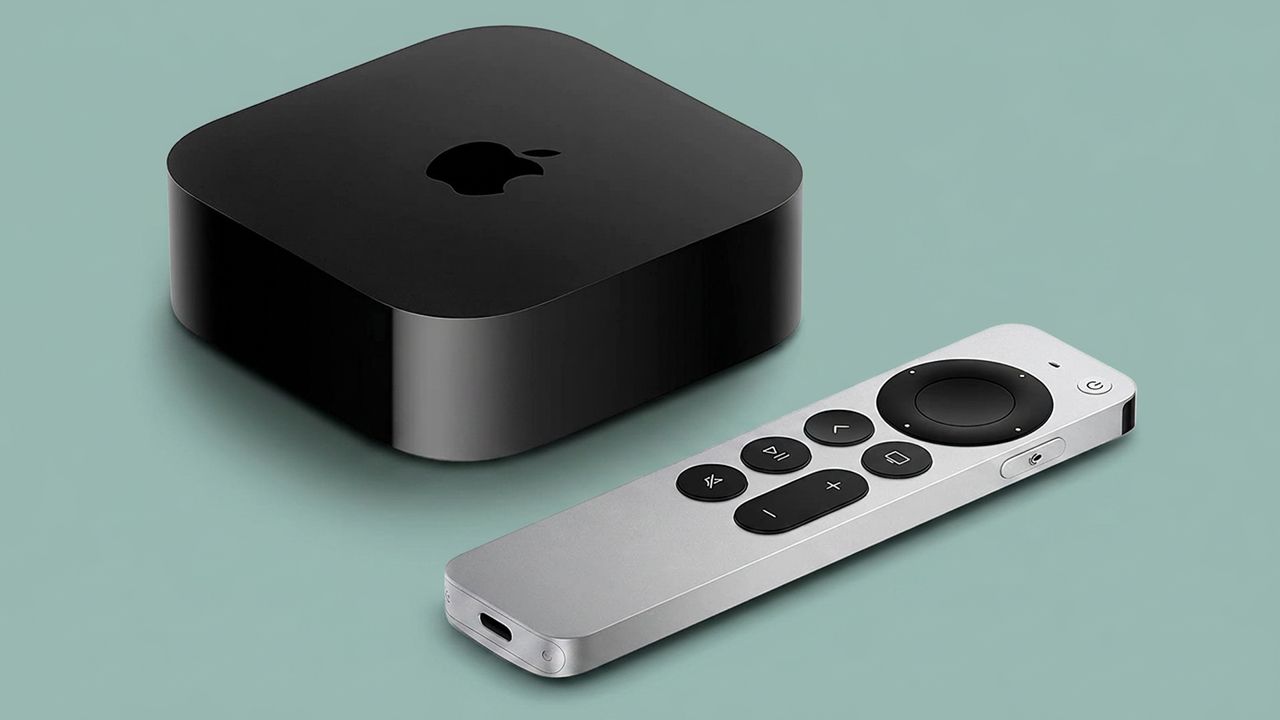
- Apple TV 4K (3rd generation, 2022): The most recent Apple TV hardware available, powered by the A15 Bionic chip, this device is well-positioned to run tvOS 27 smoothly and take full advantage of its AI-driven capabilities and performance enhancements.
If you're running either of these two models, you can look forward to a meaningful update experience when tvOS 27 officially rolls out.
What Should You Do If Your Apple TV Is No Longer Supported?
Being cut off from software updates doesn't mean your Apple TV stops working immediately, but it does mean you're on a clock. Here are your practical options if your device has been left behind:
- Upgrade to a supported model: The Apple TV 4K (3rd generation) is the current flagship and is available at a reasonable price point, especially compared to competing streaming hardware. It will remain supported for several more update cycles.
- Consider a streaming alternative: Devices like the Amazon Fire TV Stick 4K, Roku Streaming Stick 4K, or Google Chromecast with Google TV are affordable options if you're not deeply invested in the Apple ecosystem. However, you will lose access to features like AirPlay 2, HomeKit integration, and seamless iPhone handoff.
- Keep using your old device with caution: If you primarily use your Apple TV for streaming via apps, it may still serve you adequately for the near term. Just be aware that apps will eventually stop supporting older versions of tvOS, and security risks will gradually accumulate.
A Familiar Pattern — And a Reminder to Plan Ahead
Apple's decision to drop support for older Apple TV hardware with tvOS 27 follows the same pattern we see across all of the company's product lines. iPhones, iPads, and Macs all eventually reach a point where the hardware can no longer support the latest software, and Apple TV is no different.
What makes this particular cutoff notable is that the Apple TV HD, first released back in 2015, enjoyed a remarkably long run of software support — over a decade of updates is genuinely impressive by any standard. The first-generation Apple TV 4K, while a shorter tenure, was always going to face this moment as its chip aged out of relevance.
For the vast majority of current Apple TV users — especially those who purchased a 4K model in the last three years — tvOS 27 is something to look forward to. For everyone else, now might be the perfect time to finally treat yourself to a hardware upgrade and make sure you're not missing out on everything Apple's living room platform has to offer.