
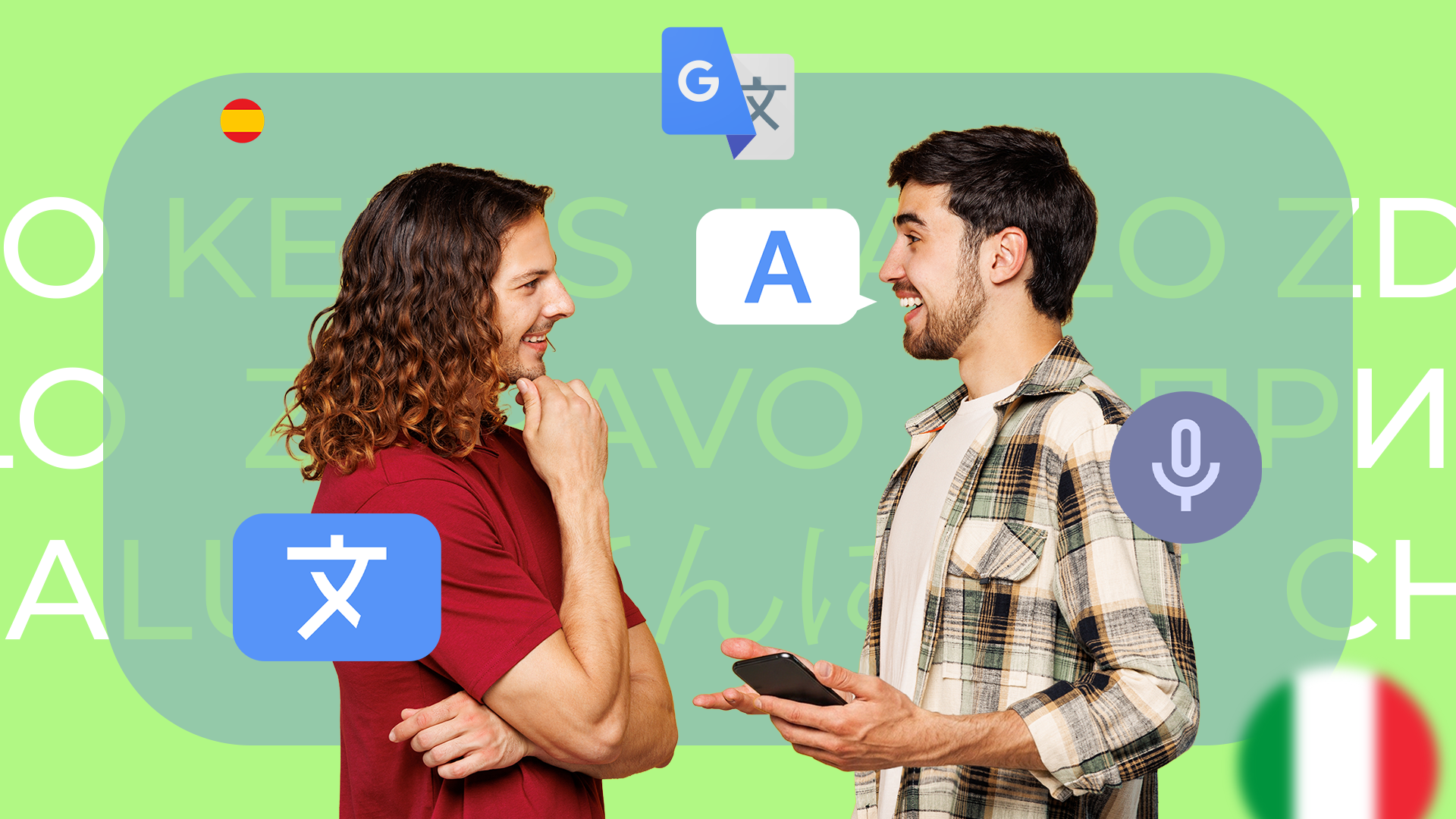
Google Translate Just Made Live Translation More Accessible Than Ever
For years, using Google Translate's live translation feature in a real-world conversation required one important accessory: a pair of earbuds or headphones. That dependency has now changed. Google has rolled out an update to Google Translate that removes the hardware requirement entirely, allowing users to experience real-time spoken translation directly through their phone's built-in speaker. It's a small change on paper, but in practice, it opens the door to a far wider audience and a far broader range of everyday situations where instant translation can make a real difference.
What Is Google Translate's Live Translation Feature?
Before diving into what's new, it helps to understand what live translation actually does. Google Translate's live or real-time translation mode is designed to facilitate face-to-face conversations between people who speak different languages. Rather than typing text or speaking into the app one sentence at a time and waiting for a result, live translation listens to both speakers continuously and delivers translated audio output in near real time.
This creates a much more natural conversational flow. Instead of the stilted back-and-forth of traditional translation apps, live translation lets dialogue happen at something approaching normal speed. It has been a genuinely useful feature since its introduction, particularly for travelers, healthcare workers, customer service professionals, and anyone else who regularly navigates language barriers in face-to-face settings.
The catch, until now, was that the feature required earbuds or headphones to function. The reasoning was straightforward: using the phone's speaker while also listening through the phone's microphone risks creating feedback loops and audio interference that can degrade translation accuracy. Earbuds effectively separate the listening and output functions, keeping the audio chain clean.
Why Removing the Earbud Requirement Is a Big Deal
Requiring earbuds to use live translation was a friction point that many users — and many potential users — simply couldn't get past. Consider the scenarios where you might suddenly need to translate a live conversation: a spontaneous interaction with a foreign-speaking neighbor, an unexpected question from a tourist, a medical appointment where an interpreter isn't available, or a business meeting that catches you off guard. In none of these situations is it practical to assume the user has earbuds charged, available, and ready to go.
By freeing live translation from that hardware dependency, Google has made the feature genuinely spontaneous. You no longer need to plan ahead or carry accessories. As long as you have your phone — which most people do, most of the time — you have access to real-time two-way translation.
There's also an accessibility angle worth considering. Not everyone uses earbuds. Some people find them uncomfortable. Some have hearing considerations that make speaker-based audio preferable. Others simply don't own a compatible pair. The previous requirement created an unintentional gatekeeping effect, and this update removes it.
How the Update Works in Practice
Google has implemented audio processing improvements to make speaker-based live translation viable. The challenge of feedback — where the phone's microphone picks up the phone's own speaker output — has been addressed through smarter noise handling and echo cancellation technology built into the app itself. This allows the microphone to distinguish between the voices of the conversation participants and the translated audio being played back, maintaining translation accuracy without needing the physical separation that earbuds provide.
In use, the experience should feel straightforward. Open Google Translate, select your conversation languages, activate the conversation or live translation mode, and speak. The app listens, translates, and plays the translated speech through the phone's speaker. Both parties in the conversation can hear the translation without either person needing to wear anything in their ears.
This makes it easier to use the phone as a shared device in a conversation — placed on a table between two people, for example — rather than something one person holds up to their face. That small shift in how the phone is positioned can make conversations feel considerably more natural and less awkward.
Who Benefits Most from This Update
- Travelers: Navigating airports, hotels, restaurants, and local transport in countries where you don't speak the language becomes significantly easier when you can translate conversations on the fly without digging around for earbuds.
- Healthcare professionals: Clinicians and support staff who work with patients from diverse linguistic backgrounds can use live translation as an immediate stopgap when a professional interpreter is unavailable, without requiring any additional equipment.
- Customer-facing businesses: Retail staff, hospitality workers, and service providers dealing with international customers or tourists can now engage more meaningfully without the barrier of language, and without needing to equip staff with additional hardware.
- Educators and students: In multilingual classrooms or international exchange settings, the ability to translate conversations in real time without equipment overhead lowers the barrier to inclusive communication.
- Everyday users: Anyone who encounters an unexpected language barrier in daily life now has a more reliable and accessible tool at hand.
The Bigger Picture: Google Translate's Evolving Role
This update is part of a broader trend in how Google has been developing Translate as a product. What began as a text-based tool for translating written content has grown into a multi-modal platform that handles camera translation, handwriting, voice, and now increasingly fluid conversation scenarios. Each update has pushed the app further toward real-world utility rather than simple document translation.
The removal of the earbud requirement signals that Google is thinking seriously about the friction points that prevent people from using live translation in the moments they need it most. Reducing those friction points — making the feature faster to access, simpler to use, and less dependent on having the right accessories on hand — is how a useful feature becomes an indispensable one.
Final Thoughts
Google Translate's decision to untether live translation from earbuds and headphones is one of those updates that sounds modest but carries meaningful real-world implications. It makes a powerful communication tool available in more situations, to more people, with less preparation required. Whether you're a frequent international traveler, a professional working in multilingual environments, or simply someone who occasionally needs to bridge a language gap, this update makes Google Translate a more reliable companion. Keep your app updated and take advantage of what is now one of the most accessible real-time translation tools available on any smartphone platform.