
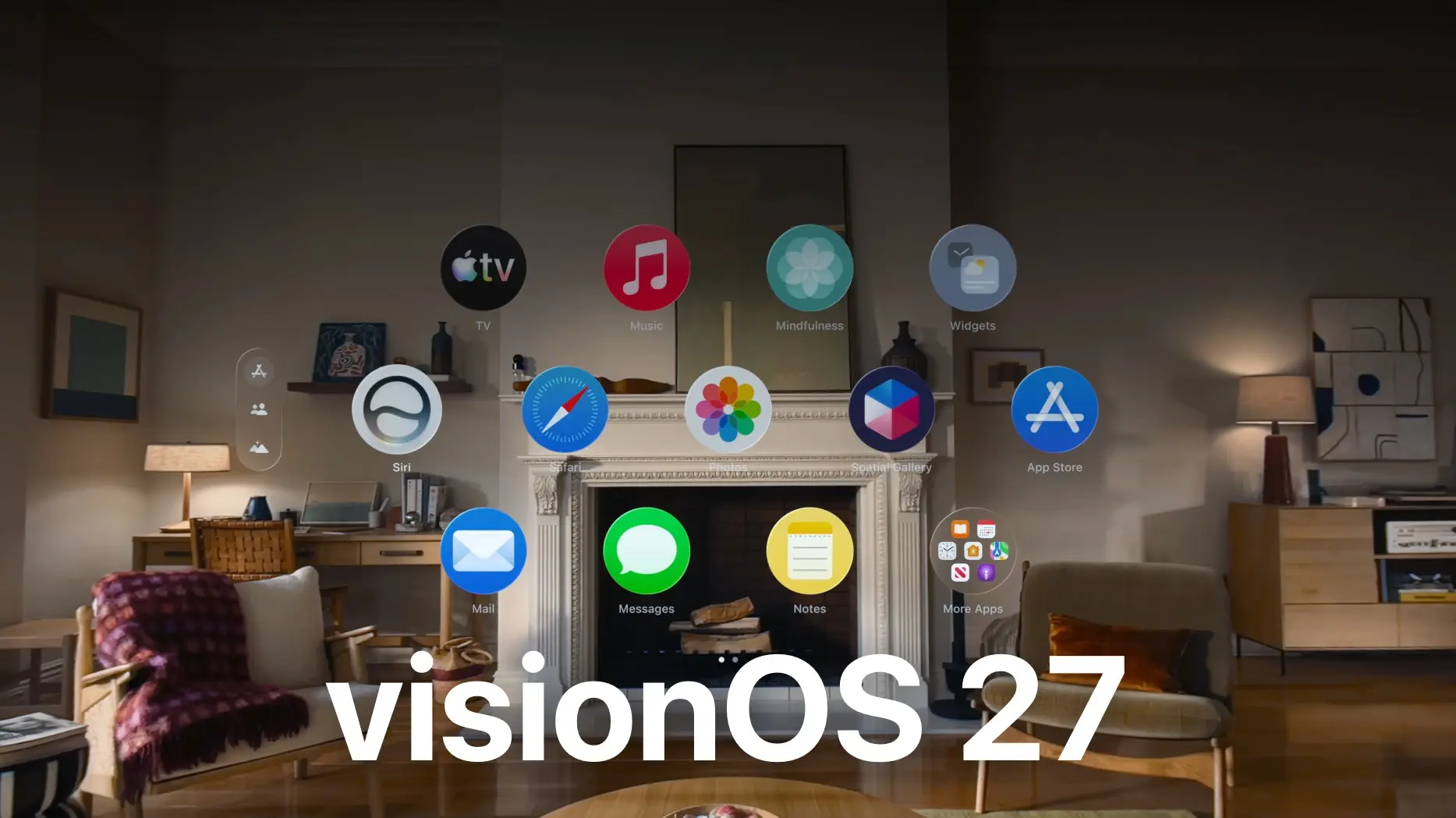
visionOS 27 Is More Than Just an AI Upgrade
When Apple takes the stage at WWDC, the headlines tend to get dominated by its biggest announcements. This year, that headline belongs to Siri AI and the expanded rollout of Apple Intelligence across every platform. But if you own an Apple Vision Pro — or are thinking about picking one up — there is a lot more to get excited about in visionOS 27 than just smarter conversations with Siri. Apple has packed this release with a wide range of tweaks, refinements, and quality-of-life improvements that address real pain points for everyday users of its spatial computing headset.
Announced at WWDC26, visionOS 27 represents a meaningful step forward for the Vision Pro experience. Here is a deep look at what is coming, why it matters, and what it means for the future of spatial computing.
The Big Headline: Siri AI and Apple Intelligence Come to Vision Pro
Let's get the flagship feature out of the way first. visionOS 27 brings the full suite of Apple Intelligence capabilities to Vision Pro, including the upgraded, conversational Siri AI that Apple has been developing over the past couple of years. For Vision Pro users, this is genuinely transformative. Siri has always felt somewhat limited inside visionOS, often requiring you to drop out of immersive experiences to get things done. With the new Apple Intelligence integration, Siri becomes a far more capable assistant that understands context, can take actions across apps, and responds in a more natural, fluid way.
Apple Intelligence features like Writing Tools, image generation, and smart notification summaries are also expected to make their way into visionOS 27, bringing the headset in line with the capabilities already available on iPhone, iPad, and Mac. For a device that positions itself as the future of personal computing, having full parity with Apple Intelligence is a big deal.
Quality-of-Life Refinements That Make a Real Difference
Beyond the AI storyline, visionOS 27 is loaded with smaller but important improvements that are likely to have a bigger day-to-day impact for most Vision Pro owners. Apple has clearly been listening to user feedback since the Vision Pro launched, and many of the refinements in this update feel like direct responses to common complaints and wishlist items.
Improved Window Management
One of the recurring frustrations with visionOS has been the way windows behave in shared spaces. Managing multiple floating app windows, repositioning them, and keeping them organized has felt cumbersome at times. visionOS 27 introduces refinements to window management that make it easier to arrange, resize, and interact with multiple apps simultaneously. Whether you are working across several documents or switching between entertainment and productivity, the experience should feel more natural and less fiddly.
Eye Tracking and Input Enhancements
Apple has also made refinements to how the Vision Pro interprets eye tracking and hand gesture input. Precision has been improved, and the system is better at distinguishing intentional interactions from accidental ones. For a device that relies so heavily on look-and-pinch interaction, even small gains in input accuracy translate to a noticeably smoother experience during extended use sessions.
Travel Mode and Environment Updates
Travel mode, which was introduced to make Vision Pro usable on planes and trains, has received additional polish in visionOS 27. Apple has expanded the conditions under which Travel Mode performs reliably and improved the stability of virtual environments when the device detects motion. This makes the Vision Pro a more practical travel companion, which matters as the use case for the headset continues to expand beyond the home office.
Personas and FaceTime Upgrades
The digital Persona feature — Apple's system for representing Vision Pro users in FaceTime calls and collaborative environments — has also been updated. Rendering quality has been improved, making Personas look more lifelike and expressive. Real-time mirroring of facial expressions and head movements has been refined as well, closing the gap between a Persona and what you would see in a standard video call. This matters for anyone using the Vision Pro for work meetings or social connection.
Developer Tools and the App Ecosystem
visionOS 27 also brings meaningful updates for developers building spatial computing apps. New APIs give developers better tools to integrate Apple Intelligence features into their visionOS apps, and improvements to RealityKit and ARKit mean richer, more immersive experiences are possible without a proportional increase in development complexity. As the Vision Pro app ecosystem continues to mature, these developer-facing improvements are critical for ensuring that users have compelling content to enjoy.
Apple has also introduced new guidelines and templates designed to make it easier for existing iOS and iPadOS developers to bring their apps into visionOS. Lowering the barrier to entry for app development is one of the fastest ways Apple can grow the Vision Pro's content library, which remains one of the platform's most important challenges.
What visionOS 27 Means for Vision Pro's Future
Taken together, visionOS 27 paints a picture of Apple doubling down on the Vision Pro as a long-term platform rather than a proof-of-concept device. The combination of Apple Intelligence integration and careful attention to everyday usability shows that Apple is thinking about what it takes to make spatial computing a genuine part of people's lives, not just a novelty experience.
The Siri AI headlines will dominate the WWDC26 conversation, and rightfully so. But for Vision Pro owners, it is the quieter, cumulative improvements in visionOS 27 — better input, smarter window handling, more lifelike Personas, and a growing developer toolkit — that will define what it actually feels like to put on the headset every day. That kind of sustained refinement is how platforms earn loyal users, and with visionOS 27, Apple is clearly committed to doing exactly that.
When Will visionOS 27 Be Available?
As with Apple's other OS announcements at WWDC26, visionOS 27 is expected to enter a developer beta period shortly after the keynote, with a public beta to follow in the coming weeks. The final release will most likely arrive in the fall alongside Apple's other major software updates. If you own an Apple Vision Pro, now is a great time to make sure your device is enrolled for beta updates if you want to try these features early — just be prepared for the occasional rough edge that comes with pre-release software.
visionOS 27 is shaping up to be the most significant update to Vision Pro's software since launch. Keep an eye on Apple's developer documentation and the Vision Pro communities for the latest as the beta rolls out and more details come to light.